
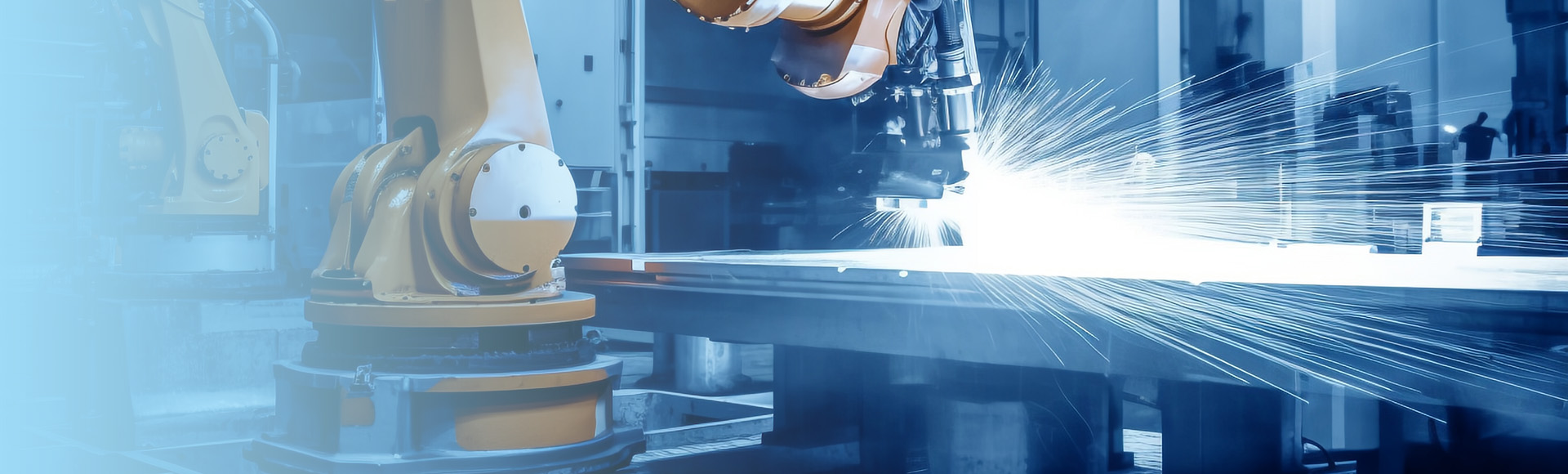
Laser Equipment: Do All Welds Require Shielding Gas?
A common question from buyers of laser equipment is whether shielding gas is always necessary for laser welding. The short answer: no—but it depends on the material, application, and quality requirements.
When Shielding Gas Is Essential
For reactive metals like stainless steel, aluminum, titanium, or copper alloys, shielding gas (typically argon or nitrogen) is strongly recommended. Without it, oxygen and nitrogen in the air can dissolve into the molten pool, causing porosity, oxidation, or embrittlement. In medical, aerospace, or food-grade applications, even minor discoloration or surface oxide may lead to part rejection.
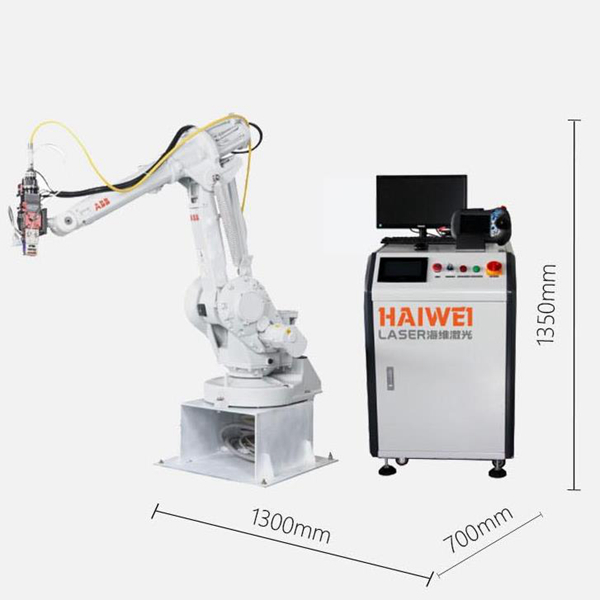
In these cases, laser equipment is usually equipped with coaxial or side-jet nozzles delivering 10–25 L/min of high-purity gas to protect both the weld seam and the focusing lens from spatter and fumes.
When You Might Skip It
For non-critical carbon steel parts used in internal structures—like brackets or chassis components—some manufacturers omit shielding gas to reduce cost and simplify setup. The weld may show slight oxidation (a light straw or blue tint), but if mechanical strength is the only requirement, it’s often acceptable.
However, skipping gas increases the risk of micro-porosity and inconsistent bead appearance. It also accelerates contamination of protective windows, leading to more frequent maintenance.
Practical Advice
If you’re evaluating laser equipment, check whether the system includes an integrated gas delivery module and flow control. Even if you don’t need gas today, having the option adds flexibility for future jobs.
Also, note that some advanced systems use “gas-assisted” strategies only at start/end points to minimize usage while still protecting critical zones.
In summary, shielding gas isn’t mandatory for every laser weld—but for consistent quality, corrosion resistance, or aesthetic finish, it’s usually worth using. The right laser equipment makes gas integration simple, reliable, and cost-effective.
Recent Posts
- What are the advantages of laser welding machines in lithium battery pack production lines?
- What issues should be noted when choosing a lithium battery pack production line?
- Quality Inspection and Control of Lithium Battery Module Pack Production Line
- Cell grouping and sorting process in lithium battery module pack production line
- What are the safety hazards of lithium battery pack production lines and how can they be prevented?
INQUIRY