
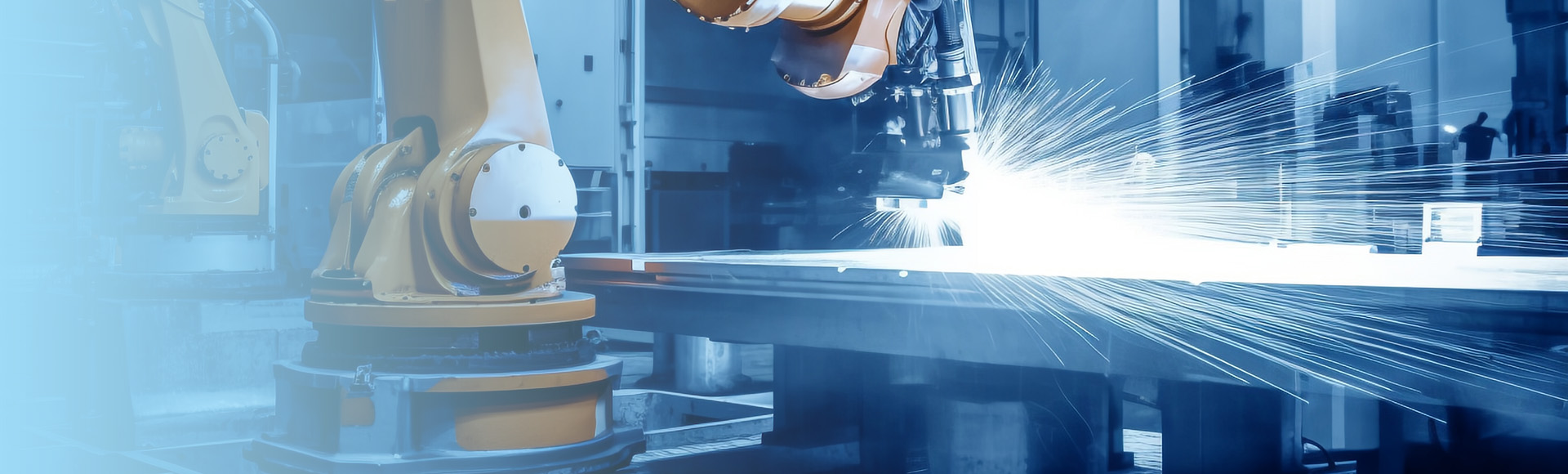
Laser Processing Equipment: Energy-Efficient and Stable Welding in Practice
When evaluating laser processing equipment for production, buyers often focus on speed or precision—but energy efficiency and process stability are equally important, especially for high-volume operations. Modern fiber-based systems deliver both, without compromising weld quality.
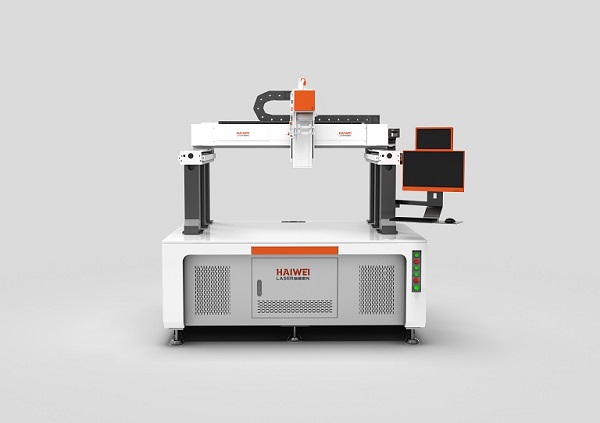
Why Energy Efficiency Matters
Fiber laser sources used in today’s laser processing equipment typically achieve 30–35% wall-plug efficiency, significantly higher than older CO₂ or lamp-pumped lasers (often below 15%). This means less electricity is wasted as heat, reducing both operating costs and cooling demands. For a facility running multiple shifts, that difference can translate into thousands of dollars saved annually per machine.
Moreover, efficient thermal management extends component life. Stable internal temperatures prevent optical misalignment and power drift—key factors in maintaining consistent weld penetration over long runs.
Stability Through Smart Design
True stability isn’t just about hardware; it’s built into the control system. Advanced laser processing equipment now features real-time power feedback loops that adjust output to compensate for minor fluctuations in supply voltage or ambient temperature. Some systems also use predictive algorithms to maintain focus position as lenses warm up during extended use.
This level of control minimizes scrap and rework. In automotive or medical manufacturing, where weld integrity is critical, such consistency reduces the need for 100% post-weld inspection.
Practical Tips for Buyers
When comparing systems, ask for:
Actual power consumption data under typical duty cycles
Thermal management design (e.g., sealed optics, liquid cooling)
Whether the controller logs energy use alongside weld parameters
A machine that runs cooler and draws less power isn’t just “green”—it’s more reliable over time.
In short, today’s laser processing equipment can be both energy-efficient and highly stable, but only if engineered with integrated thermal control and closed-loop regulation. For production environments, that combination means lower cost per part and fewer quality surprises down the line.
Recent Posts
- What are the advantages of laser welding machines in lithium battery pack production lines?
- What issues should be noted when choosing a lithium battery pack production line?
- Quality Inspection and Control of Lithium Battery Module Pack Production Line
- Cell grouping and sorting process in lithium battery module pack production line
- What are the safety hazards of lithium battery pack production lines and how can they be prevented?
INQUIRY