
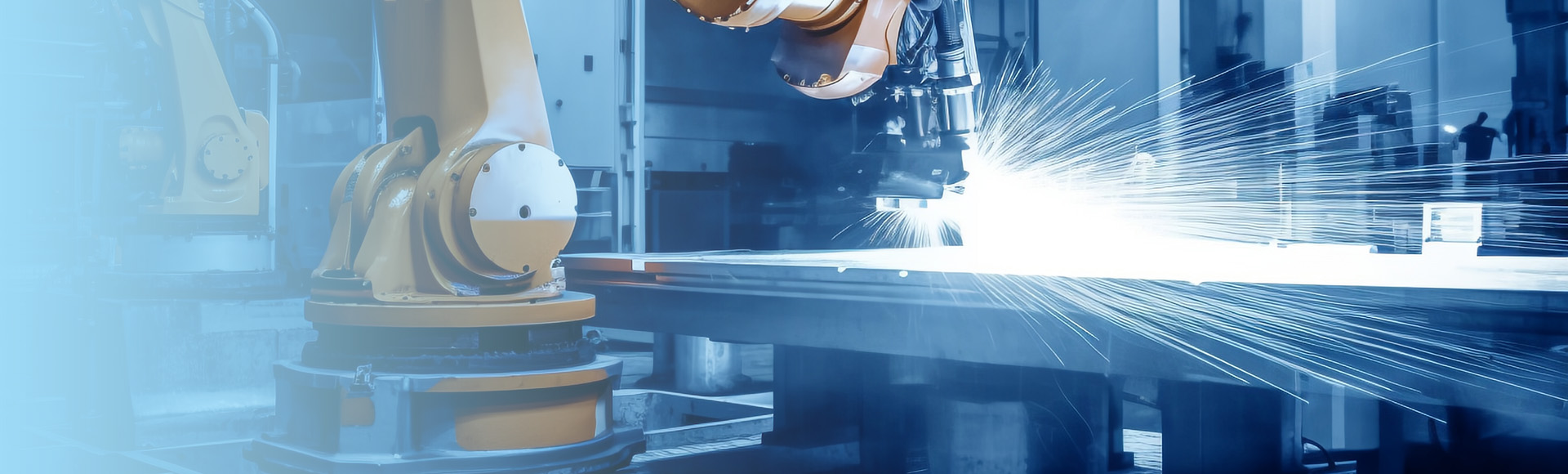
Laser Welding Machines: Intelligent Processes for Consistent Quality
When manufacturers invest in a laser welding machine, they’re often looking for more than just speed—they want repeatable, high-quality welds with minimal scrap. Today’s smarter systems deliver exactly that by integrating real-time monitoring and adaptive control into the welding process.
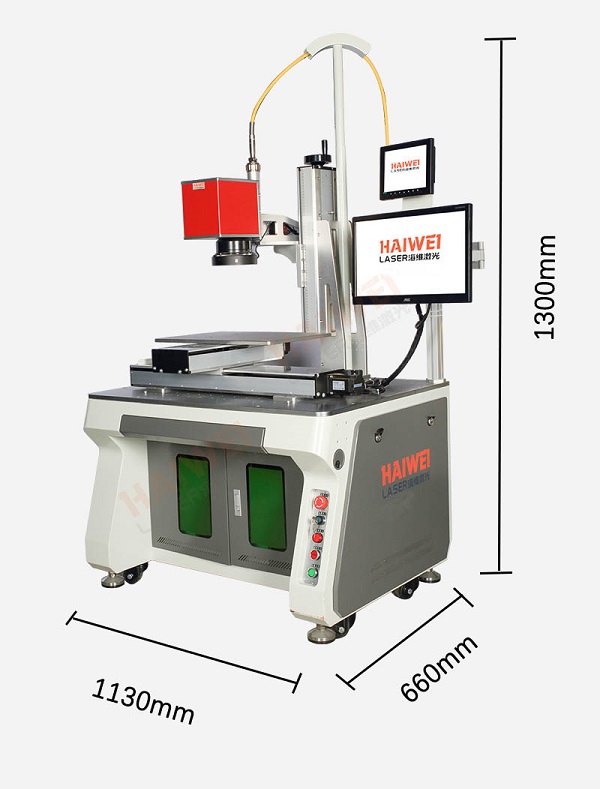
Real-Time Feedback Makes a Difference
Modern laser welding machines can now use coaxial cameras, photodiodes, or spectroscopic sensors to monitor the weld pool, keyhole stability, and spatter levels during operation. If the system detects a deviation—like inconsistent seam fit-up or surface contamination—it can automatically adjust laser power, travel speed, or focus position to stay within preset quality limits. This reduces the need for post-weld inspection and rework.
Process Data = Better Traceability
For industries like medical device or automotive manufacturing, traceability matters. Intelligent laser welding machines log every parameter—power, speed, gas flow, seam position—for each weld. This data can be stored locally or uploaded to a factory MES system, making it easier to meet quality audits or troubleshoot field failures.
It’s Not Just Automation—It’s Adaptation
True intelligence isn’t just about running pre-programmed paths. Advanced systems use seam-tracking sensors (like laser scanners or vision) to follow actual part geometry, even if fixtures shift slightly between cycles. This is especially useful for complex 3D parts where manual teaching would be time-consuming and error-prone.
What Buyers Should Look For
If you’re evaluating a laser welding machine, ask whether it supports closed-loop control, offers user-friendly diagnostics, and integrates with your existing production software. A machine that learns from each weld—not just repeats the same command—will deliver more consistent results over time.
In short, intelligence in laser welding isn’t a buzzword. It’s a practical way to maintain quality, reduce waste, and keep production running smoothly—even as part tolerances or material batches vary.
Recent Posts
- What are the advantages of laser welding machines in lithium battery pack production lines?
- What issues should be noted when choosing a lithium battery pack production line?
- Quality Inspection and Control of Lithium Battery Module Pack Production Line
- Cell grouping and sorting process in lithium battery module pack production line
- What are the safety hazards of lithium battery pack production lines and how can they be prevented?
INQUIRY