

Laser Processing Equipment: Precision Welding for Tight Tolerance Applications
When your application demands welds within ±0.05 mm or less—common in medical devices, aerospace sensors, or battery modules—you can’t rely on “close enough.” That’s where properly configured laser processing equipment becomes essential.
Why Tolerance Control Starts Before the Weld
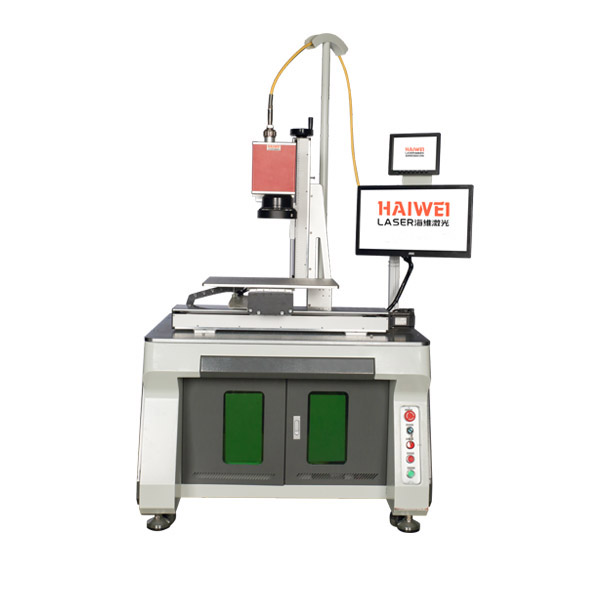
Achieving tight tolerances isn’t just about the laser itself. It depends on the entire system: part fixturing, motion control, beam delivery, and real-time feedback. Even a high-quality laser will produce inconsistent results if the workpiece shifts slightly between cycles. Rigid, thermally stable fixtures and precision stages are non-negotiable for repeatable outcomes.
The Role of Beam Quality and Focus Stability
A low M² value ensures the beam can be focused to a small, consistent spot. But over time, thermal lensing or contamination can alter focus position. Advanced laser processing equipment often includes auto-focus systems or through-the-lens monitoring to maintain spot size during long runs—critical when welding thin foils or micro-tabs in lithium battery packs.
Process Monitoring Adds Confidence
For regulated industries, it’s not enough to assume every weld is good. Integrated coaxial cameras, seam trackers, or plasma sensors can detect deviations in real time—like a gap opening up or misalignment—and either adjust parameters or flag the part for inspection. This reduces scrap and supports traceability requirements.
Practical Advice for Buyers
Ask vendors to demonstrate welding on your parts, not just ideal samples. Run a batch of 30–50 units and measure key dimensions afterward. Also, check how easy it is to recalibrate the system after maintenance—downtime for realignment hurts more than you think.
In the end, precision isn’t a spec sheet number. It’s the result of a well-integrated laser processing equipment system designed for your specific tolerance challenges. Choose accordingly.
Recent Posts
- What are the advantages of laser welding machines in lithium battery pack production lines?
- What issues should be noted when choosing a lithium battery pack production line?
- Quality Inspection and Control of Lithium Battery Module Pack Production Line
- Cell grouping and sorting process in lithium battery module pack production line
- What are the safety hazards of lithium battery pack production lines and how can they be prevented?
INQUIRY