

How Laser Processing Equipment Is Reshaping Industrial Manufacturing
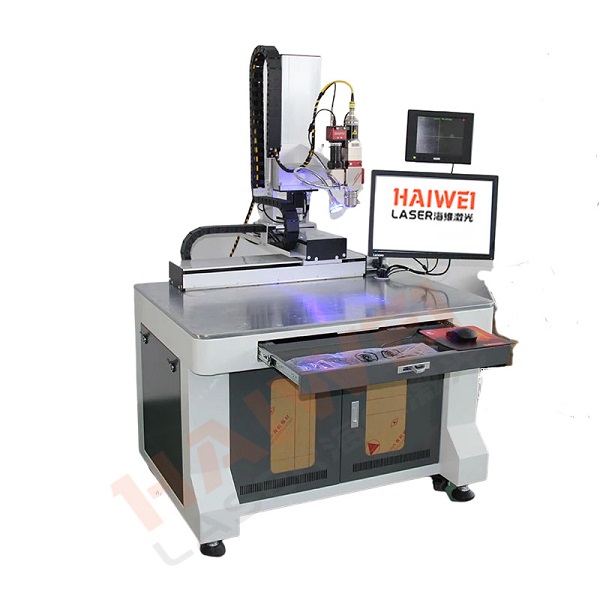
Over the past two decades, laser processing equipment has moved from niche applications to becoming a standard tool across automotive, electronics, medical device, and aerospace industries. Its impact goes beyond faster cutting or cleaner welds—it’s changing how factories design workflows, manage quality, and respond to market demands.
Greater Precision with Less Waste
One of the most tangible benefits is dimensional accuracy. Laser processing equipment can cut or weld features within ±0.1 mm tolerance on thin metals without mechanical contact, reducing material distortion. This precision allows engineers to design tighter-tolerance parts, minimize post-processing, and lower scrap rates—especially valuable when working with expensive alloys or limited-run prototypes.
Faster Changeovers for Flexible Production
Unlike traditional stamping or milling tools that require physical retooling, most modern laser processing equipment uses software-controlled parameters. Switching between jobs often means loading a new CAD file and adjusting power or speed settings. This flexibility supports low-volume, high-mix production—a growing need in sectors like consumer electronics and custom machinery.
Improved Process Control and Traceability
Integrated sensors and real-time monitoring (e.g., melt pool detection, seam tracking) enable consistent results even with minor material variations. Many systems now log every weld or cut parameter, supporting quality audits and root-cause analysis. For regulated industries like medical devices, this level of traceability isn’t just helpful—it’s essential.
Energy and Space Efficiency
Compared to plasma or mechanical systems, fiber-based laser processing equipment typically consumes less power per part and occupies a smaller footprint. This makes it easier to integrate into existing lines or deploy in compact facilities.
In short, laser processing equipment isn’t just replacing older tools—it’s enabling smarter, more responsive manufacturing. For companies evaluating automation upgrades, understanding these operational shifts matters more than raw specs alone.
Recent Posts
- What are the advantages of laser welding machines in lithium battery pack production lines?
- What issues should be noted when choosing a lithium battery pack production line?
- Quality Inspection and Control of Lithium Battery Module Pack Production Line
- Cell grouping and sorting process in lithium battery module pack production line
- What are the safety hazards of lithium battery pack production lines and how can they be prevented?
INQUIRY