

Laser Processing Equipment: Why Service Response Time Really Matters
When investing in laser processing equipment, most buyers focus on specs like power, speed, or precision. But after years in the field, I’ve seen more production lines halted—not by machine failure itself—but by slow or unclear support when issues arise. That’s why service response time isn’t just a “nice-to-have”; it’s a core part of your uptime strategy.
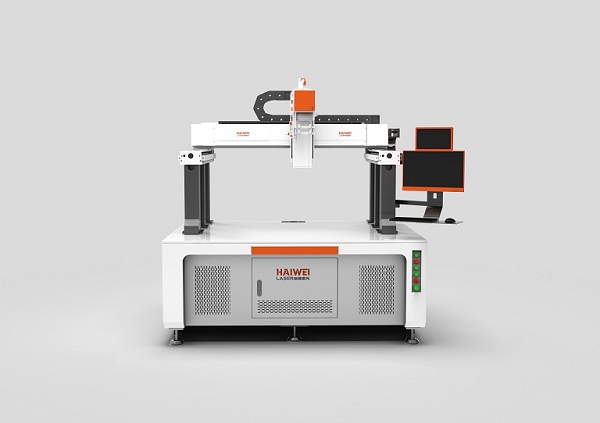
Downtime Costs Add Up Fast
A typical mid-volume production line can lose thousands per hour during unplanned stops. If a chiller alarm triggers or a galvo scanner misaligns, waiting two days for a technician means missed deadlines and overtime costs. In contrast, vendors offering same-day remote diagnostics—or 24–48 hour on-site response—can often restore operation before the shift ends.
Remote Support Isn’t Just for Simple Fixes
Modern laser processing equipment often includes built-in telemetry, allowing engineers to check error logs, verify software settings, or even recalibrate parameters remotely. But this only works if the manufacturer has a structured support workflow—not just an email inbox.
Local Presence Makes a Difference
Having a service partner within your region (or time zone) dramatically improves communication clarity and parts availability. A global brand with no local depot might quote “3–5 business days” for a replacement lens mount—while a regional provider ships it overnight.
What to Ask Before You Buy
Don’t just accept “we offer 24/7 support.” Ask:
What’s the average first-response time for critical issues?
Are spare parts stocked locally?
Is remote access secure and user-approved?
Remember, the best laser processing equipment isn’t the one with the highest specs—it’s the one that stays running when you need it most. And that depends as much on service as on engineering.
Recent Posts
- What are the advantages of laser welding machines in lithium battery pack production lines?
- What issues should be noted when choosing a lithium battery pack production line?
- Quality Inspection and Control of Lithium Battery Module Pack Production Line
- Cell grouping and sorting process in lithium battery module pack production line
- What are the safety hazards of lithium battery pack production lines and how can they be prevented?
INQUIRY