
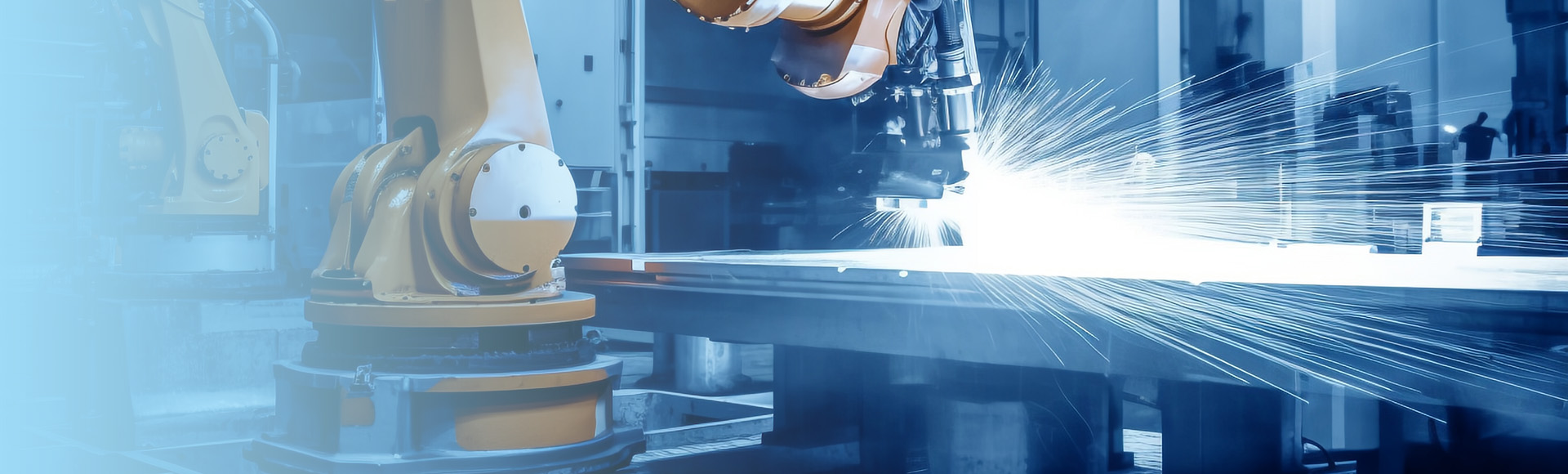
The Importance of Laser Welding Machine Maintenance
Many manufacturers treat their laser welding machine like any other piece of production equipment—run it until something goes wrong. But unlike mechanical tools, laser systems rely on precise optical alignment, stable thermal management, and clean internal environments. Skipping routine maintenance doesn’t just shorten lifespan—it directly affects weld quality and process repeatability.
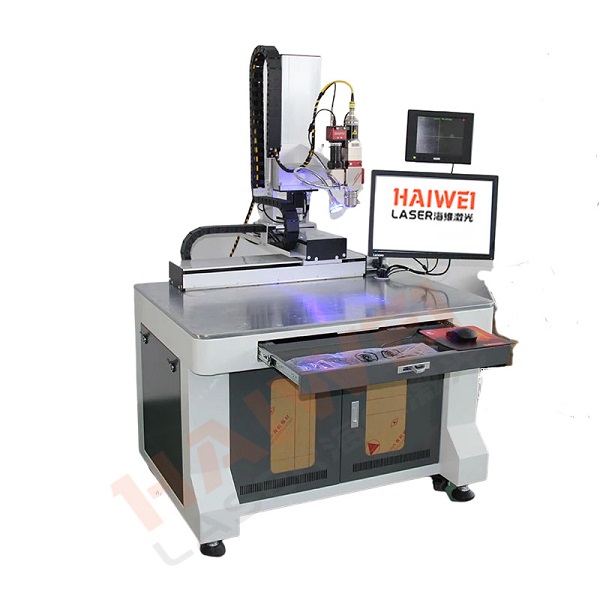
Consistent Performance Starts with Clean Optics
Dust, spatter, or residue on protective lenses or collimators can scatter the beam, reduce power delivery, and even cause hot spots that damage internal components. A simple weekly lens inspection and cleaning (using proper materials) can prevent most beam-quality issues.
Cooling System Checks Prevent Downtime
Most industrial laser welding machines use closed-loop chillers. Over time, coolant degrades or particulates build up, reducing heat transfer efficiency. This leads to thermal drift—where focal point shifts during long runs—or unexpected shutdowns due to high-temperature alarms. Checking coolant level, pH, and filter condition monthly is a small task with big impact.
Software and Motion Components Need Attention Too
Firmware updates often include bug fixes or new safety features. Meanwhile, linear guides, ball screws, and servo motors should be lubricated and inspected for wear, especially in high-cycle applications. Misalignment from worn mechanics shows up as inconsistent seam placement—even if the laser itself is perfect.
A Proactive Approach Saves Money
Scheduled maintenance typically costs far less than emergency repairs or scrap from failed welds. More importantly, it keeps your OEE (Overall Equipment Effectiveness) predictable. Many modern systems now offer remote diagnostics, making it easier to catch small issues before they become big problems.
If you’re considering buying a laser welding machine, ask vendors about service intervals, spare part availability, and whether the system supports predictive maintenance features. Investing time in upkeep isn’t optional—it’s part of running a reliable, high-quality welding process.
Recent Posts
- What are the advantages of laser welding machines in lithium battery pack production lines?
- What issues should be noted when choosing a lithium battery pack production line?
- Quality Inspection and Control of Lithium Battery Module Pack Production Line
- Cell grouping and sorting process in lithium battery module pack production line
- What are the safety hazards of lithium battery pack production lines and how can they be prevented?
INQUIRY