
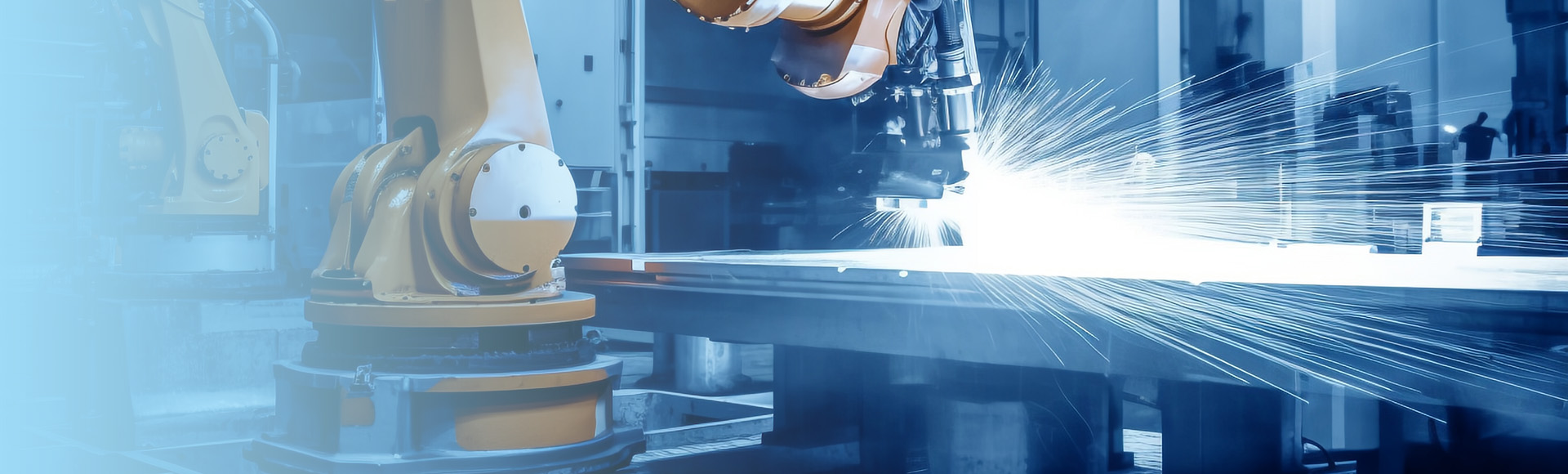
How Can a Laser Welding Machine Benefit Your Business?
Many manufacturers still rely on traditional welding methods like TIG or MIG, but as production demands grow—especially in automotive, electronics, and renewable energy sectors—the limitations of these processes become clear. This is where a laser welding machine offers tangible advantages.
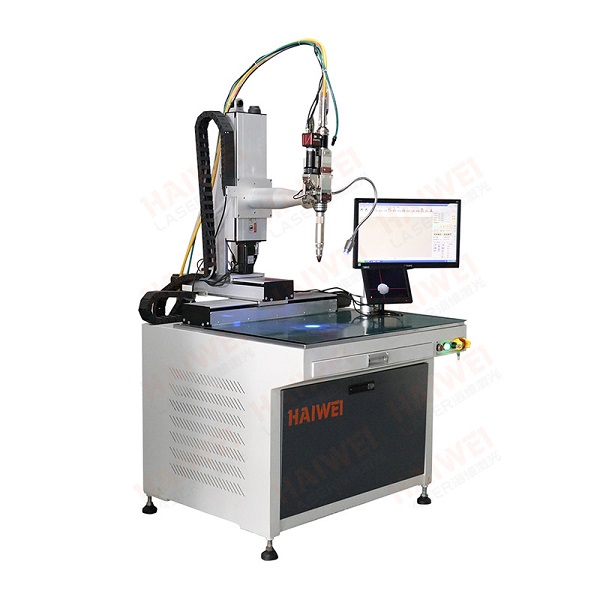
Higher Precision, Less Heat Distortion
Laser welding delivers focused energy with minimal heat input. This reduces the heat-affected zone (HAZ), which is critical when working with thin or heat-sensitive materials like battery tabs in EV modules or stainless steel enclosures. The result? Better dimensional stability and fewer post-weld corrections.
Faster Throughput Without Sacrificing Quality
A typical laser welding machine can operate at speeds 2–5 times faster than conventional methods, depending on material thickness and joint design. For high-volume production lines, this directly translates into higher output and lower labor costs per unit—without compromising weld integrity.
Greater Design Flexibility
Because laser beams can be precisely guided via fiber optics or galvo scanners, complex geometries and hard-to-reach joints become feasible. This opens up new possibilities in product design, especially for compact assemblies in medical devices or consumer electronics.
Lower Long-Term Operating Costs
While the initial investment may be higher, laser systems often reduce consumable use (no filler wire or shielding gas in many cases) and require less rework. Maintenance is also simplified in modern, integrated units with self-diagnostic features.
Easier Integration with Automation
Most industrial laser welding machines today come with standard communication protocols (like PROFINET or EtherNet/IP), making them compatible with robotic arms and MES systems. This supports seamless transition toward smart manufacturing.
If your business deals with precision metal joining—especially in sectors like electric vehicles, battery manufacturing, or precision engineering—it’s worth evaluating whether a laser welding solution aligns with your quality, speed, and scalability goals.
Recent Posts
- What are the advantages of laser welding machines in lithium battery pack production lines?
- What issues should be noted when choosing a lithium battery pack production line?
- Quality Inspection and Control of Lithium Battery Module Pack Production Line
- Cell grouping and sorting process in lithium battery module pack production line
- What are the safety hazards of lithium battery pack production lines and how can they be prevented?
INQUIRY