
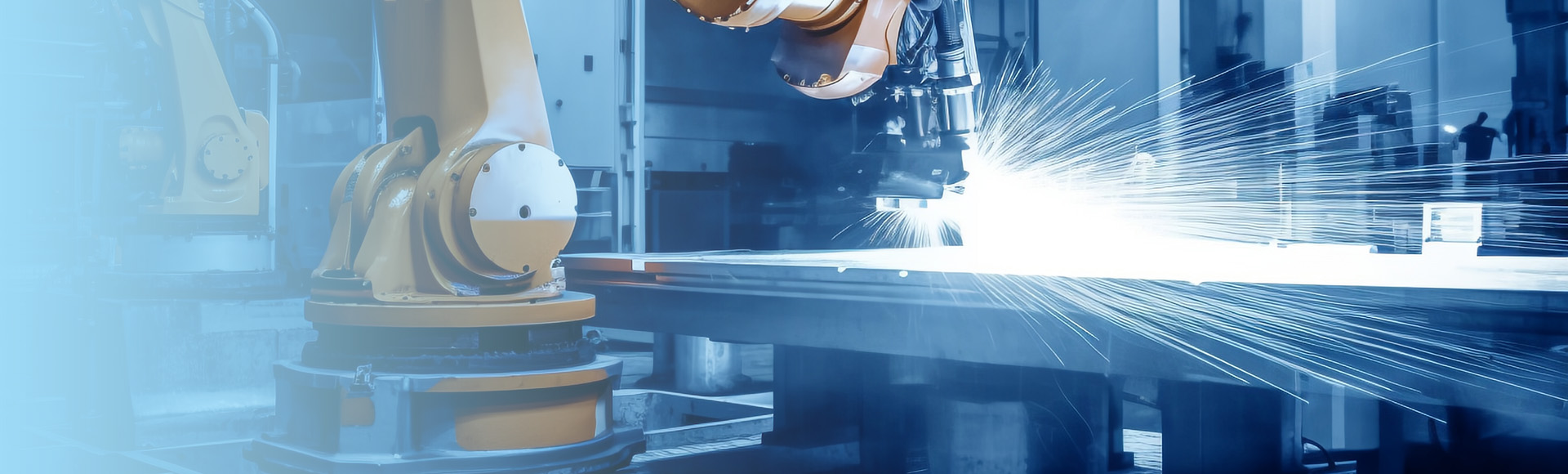
Laser Processing Equipment: Achieving High-Quality Welds with Less Effort
Many manufacturers assume that high-quality welding requires highly skilled operators or complex setups. With modern laser processing equipment, that’s no longer the case. When properly configured, these systems can deliver consistent, clean welds—even for users without deep welding expertise.
Consistency Through Controlled Energy Delivery
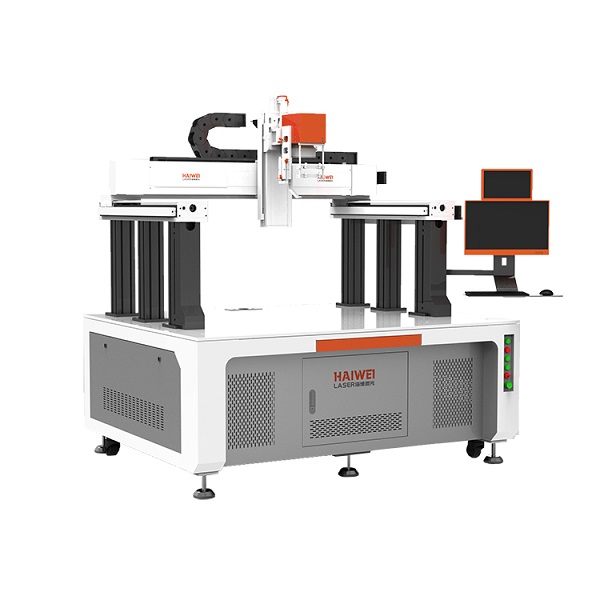
The key advantage of laser processing equipment lies in its precision. Unlike arc-based methods, laser welding delivers energy only where needed, with minimal heat spread. This reduces distortion, eliminates spatter, and often removes the need for post-weld grinding. For thin stainless steel, aluminum, or copper components—common in electronics, medical devices, or battery packs—this means fewer rejects and faster throughput.
Simplified Operation, Not Simplified Performance
Today’s systems come with intuitive interfaces and pre-optimized parameter sets for common materials and thicknesses. Operators select the material type and joint geometry, and the machine automatically applies suitable power, speed, and pulse settings. Some units even include real-time monitoring that adjusts focus or power if surface reflectivity changes slightly.
This doesn’t mean “set it and forget it”—proper fixturing, cleanliness, and shielding gas still matter—but it does lower the barrier to achieving repeatable results.
Integration Without Overcomplication
Most laser processing equipment designed for welding supports standard industrial communication protocols (like EtherNet/IP or Modbus), making it easy to add to existing workcells. Compact footprints and air-cooled designs further simplify deployment in small shops or R&D labs.
High-quality welding isn’t about complexity—it’s about control. A well-chosen laser processing equipment system gives you that control without demanding years of hands-on experience. For businesses looking to reduce scrap, speed up production, and rely less on specialist labor, it’s a practical step forward. Just remember: test with your actual parts before committing. Real-world performance always trumps spec sheets.
Recent Posts
- What are the advantages of laser welding machines in lithium battery pack production lines?
- What issues should be noted when choosing a lithium battery pack production line?
- Quality Inspection and Control of Lithium Battery Module Pack Production Line
- Cell grouping and sorting process in lithium battery module pack production line
- What are the safety hazards of lithium battery pack production lines and how can they be prevented?
INQUIRY