
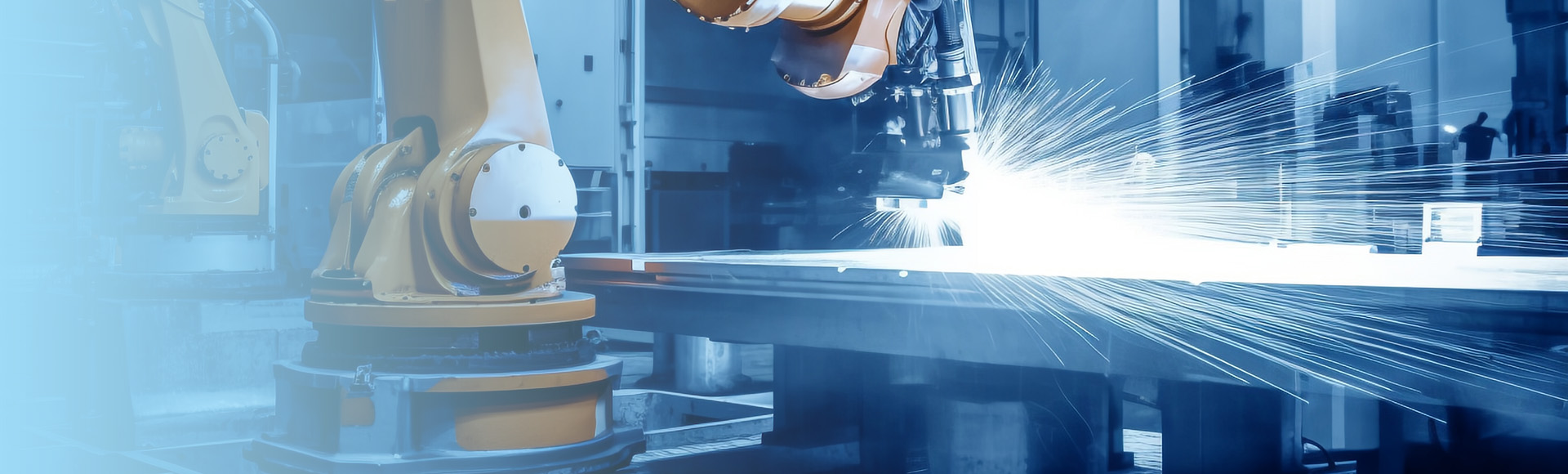
Benefits of Laser Welding Machines for High-Volume Production
When scaling up manufacturing, many companies turn to laser welding machines not just for speed, but for their ability to deliver consistent quality over thousands of cycles. Unlike manual or semi-automated methods, laser systems integrate seamlessly into high-throughput lines while reducing variability.
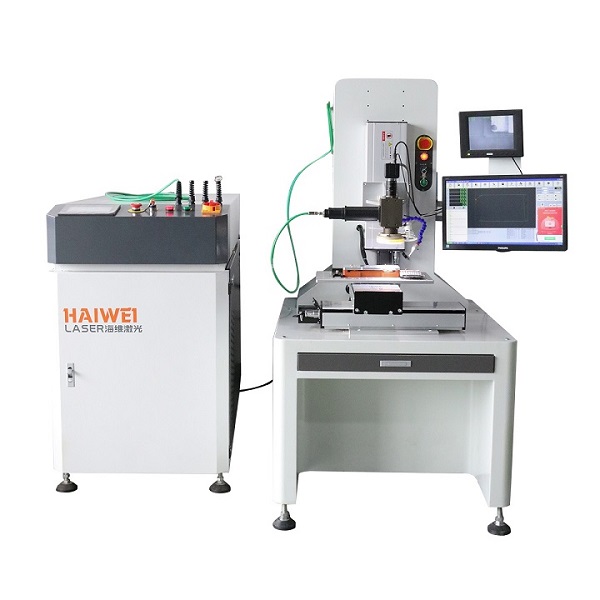
Consistency Across Thousands of Parts
In mass production, even small weld variations can lead to scrap or field failures. A well-tuned laser welding machine maintains tight control over energy input, beam position, and travel speed—ensuring each weld meets the same geometric and metallurgical standards. This repeatability is especially valuable in automotive, battery, and medical device manufacturing, where traceability and reliability are non-negotiable.
Reduced Post-Processing Saves Time
Laser welds are typically clean, narrow, and spatter-free. That means fewer parts need grinding, cleaning, or rework downstream. In a high-volume setting, eliminating even one secondary operation can significantly improve overall equipment effectiveness (OEE) and lower labor costs.
Flexible Integration with Automation
Modern laser welding machines support standard industrial interfaces like EtherNet/IP, PROFINET, or Modbus TCP, making them easy to connect to robots, conveyors, or MES systems. Many units also include I/O signals for part presence detection, cycle start/stop, and fault reporting—enabling true lights-out operation during long production runs.
Energy and Material Efficiency
Because laser welding concentrates heat precisely where needed, it uses less total energy per joint compared to arc processes. It also allows tighter nesting of components and thinner material gauges, reducing raw material consumption over time.
The real advantage of a laser welding machine in large-scale production isn’t just faster welding—it’s predictable, low-maintenance performance that keeps your line running with minimal intervention. When evaluating options, focus on uptime history, service support, and how easily the system adapts to future product changes.
Recent Posts
- What are the advantages of laser welding machines in lithium battery pack production lines?
- What issues should be noted when choosing a lithium battery pack production line?
- Quality Inspection and Control of Lithium Battery Module Pack Production Line
- Cell grouping and sorting process in lithium battery module pack production line
- What are the safety hazards of lithium battery pack production lines and how can they be prevented?
INQUIRY