
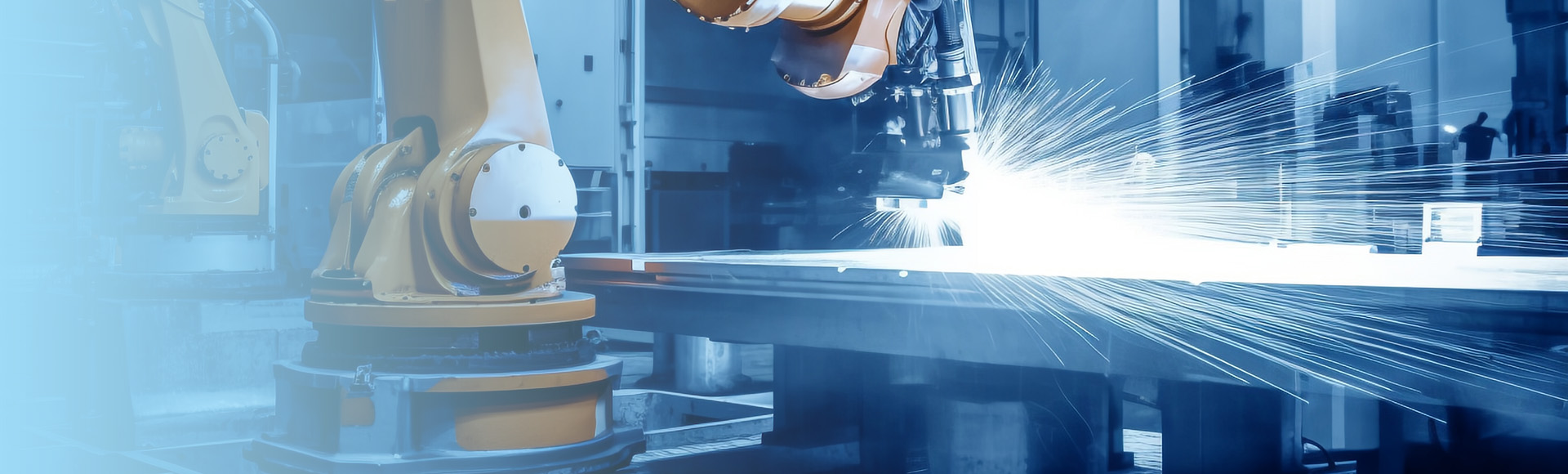
How Corrosion-Resistant Are Welds Made by Laser Processing Equipment?
When selecting laser processing equipment for applications in medical, marine, or chemical environments, buyers often ask: Are laser welds truly corrosion-resistant? The answer isn’t just “yes” or “no”—it depends on material choice, process control, and post-weld conditions.
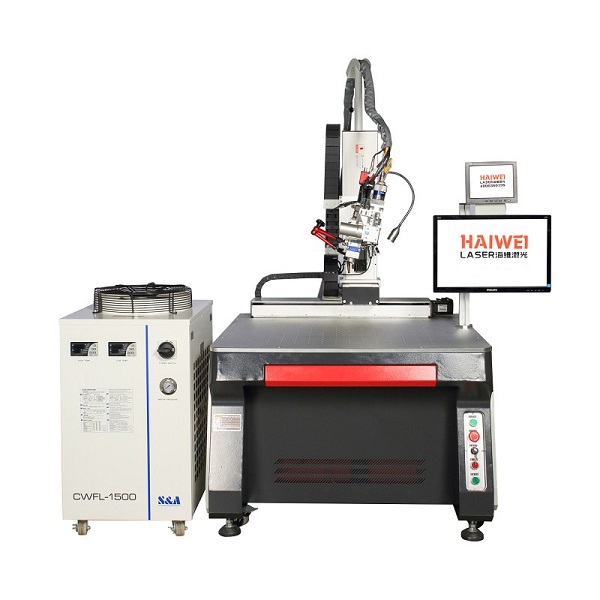
Why Laser Welds Often Perform Better
Laser welding produces narrow, deep welds with minimal heat input. This reduces the size of the heat-affected zone (HAZ), which is critical for corrosion resistance—especially in stainless steels. In traditional arc welding, excessive heating can cause chromium carbide precipitation along grain boundaries (sensitization), leading to intergranular corrosion. Laser processing equipment, when properly tuned, avoids this by keeping peak temperatures short-lived and localized.
Material Matters Most
For example, 316L stainless steel welded with a stable, low-heat-input laser process typically retains its passive oxide layer integrity and shows excellent resistance in salt spray tests. However, if shielding gas is inadequate or surface contamination (oil, grease) is present, porosity or oxide inclusions can form—creating initiation sites for pitting corrosion.
Aluminum and titanium also benefit from laser welding’s precision, but require strict inert gas coverage (usually argon or helium) during and after solidification to prevent oxide formation that compromises corrosion performance.
Post-Weld Treatment Still Counts
Even with a clean laser weld, some applications require passivation (for stainless) or anodizing (for aluminum) to restore or enhance surface protection. A smooth, spatter-free laser weld actually responds better to these treatments than rough, slag-covered arc welds.
Practical Takeaway
The laser processing equipment itself doesn’t guarantee corrosion resistance—but it enables conditions that make high corrosion performance achievable. To maximize results:
Use appropriate shielding gas and flow rates
Keep base materials clean
Validate weld quality with real-world corrosion testing (e.g., ASTM B117)
In short, laser welds can be highly corrosion-resistant—but only when the full process, not just the laser, is controlled.
Recent Posts
- What are the advantages of laser welding machines in lithium battery pack production lines?
- What issues should be noted when choosing a lithium battery pack production line?
- Quality Inspection and Control of Lithium Battery Module Pack Production Line
- Cell grouping and sorting process in lithium battery module pack production line
- What are the safety hazards of lithium battery pack production lines and how can they be prevented?
INQUIRY