
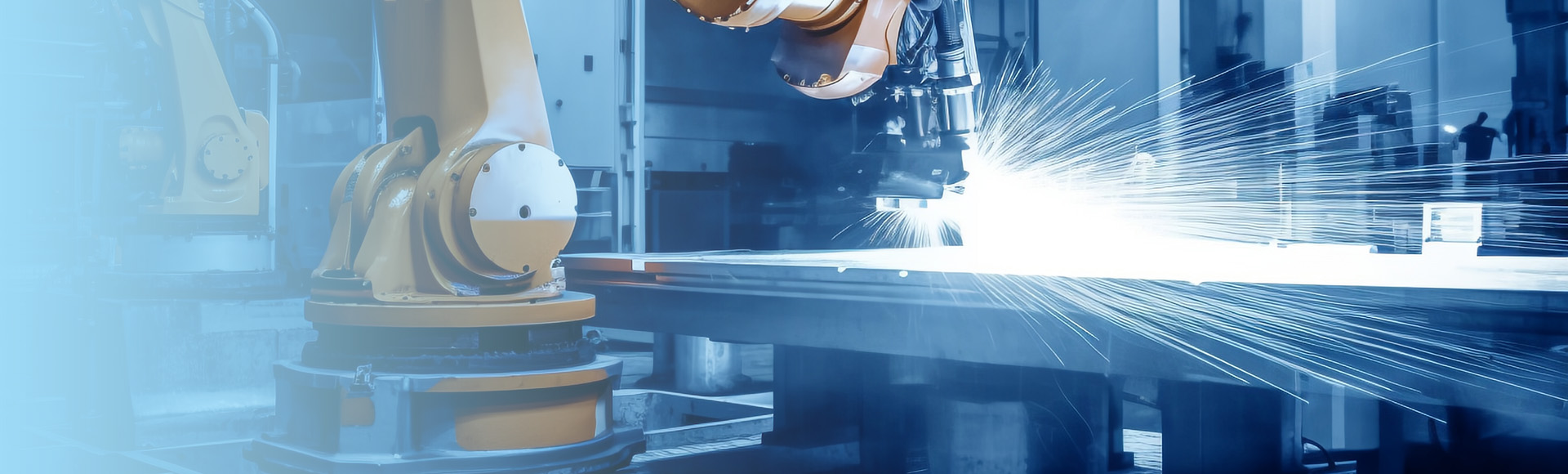
Why Is Weld Quality So High with Laser Processing Equipment?
When manufacturers switch to laser processing equipment for welding, one of the first things they notice is the consistent, clean appearance of the welds. But high quality isn’t just about looks—it’s rooted in how laser energy interacts with metal at a physical level.
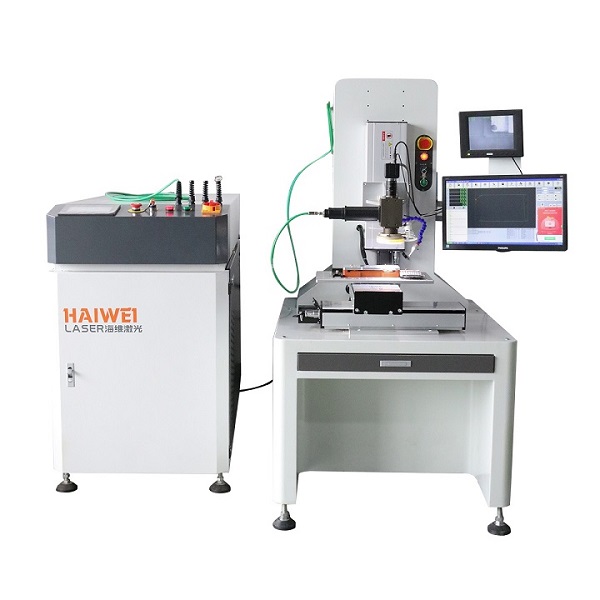
Minimal Heat Input, Less Distortion
Unlike arc or MIG welding, which flood a large area with heat, laser processing equipment concentrates energy into a tiny spot. This creates deep, narrow welds with a small heat-affected zone (HAZ). Less thermal expansion means less warping—critical for thin sheets or precision components like sensor housings or battery tabs.
No Electrode Contamination
Since laser welding is non-contact and doesn’t use consumable electrodes or filler wires (in many cases), there’s no risk of tungsten inclusions, slag, or flux residues. The weld pool solidifies cleanly, resulting in smooth seams that often require no post-processing.
Precise Control Over the Melt Pool
Modern laser processing equipment allows fine adjustment of power, pulse duration, beam focus, and travel speed. Some systems even use real-time melt pool monitoring to detect anomalies and adjust parameters on the fly. This level of control ensures repeatable penetration and minimal spatter—even on reflective materials like copper or aluminum.
Consistency Across Batches
Once a welding recipe is validated, it can be saved and reused exactly. Whether you’re making 10 parts or 10,000, the output remains the same. This repeatability is why industries like medical device manufacturing and automotive rely heavily on laser welding for critical joints.
In short, the high weld quality from laser processing equipment comes from physics, not marketing. It’s the result of localized heating, contamination-free operation, and digital process control—factors that directly translate into fewer defects, lower rework rates, and higher reliability in final products.
Recent Posts
- What are the advantages of laser welding machines in lithium battery pack production lines?
- What issues should be noted when choosing a lithium battery pack production line?
- Quality Inspection and Control of Lithium Battery Module Pack Production Line
- Cell grouping and sorting process in lithium battery module pack production line
- What are the safety hazards of lithium battery pack production lines and how can they be prevented?
INQUIRY