
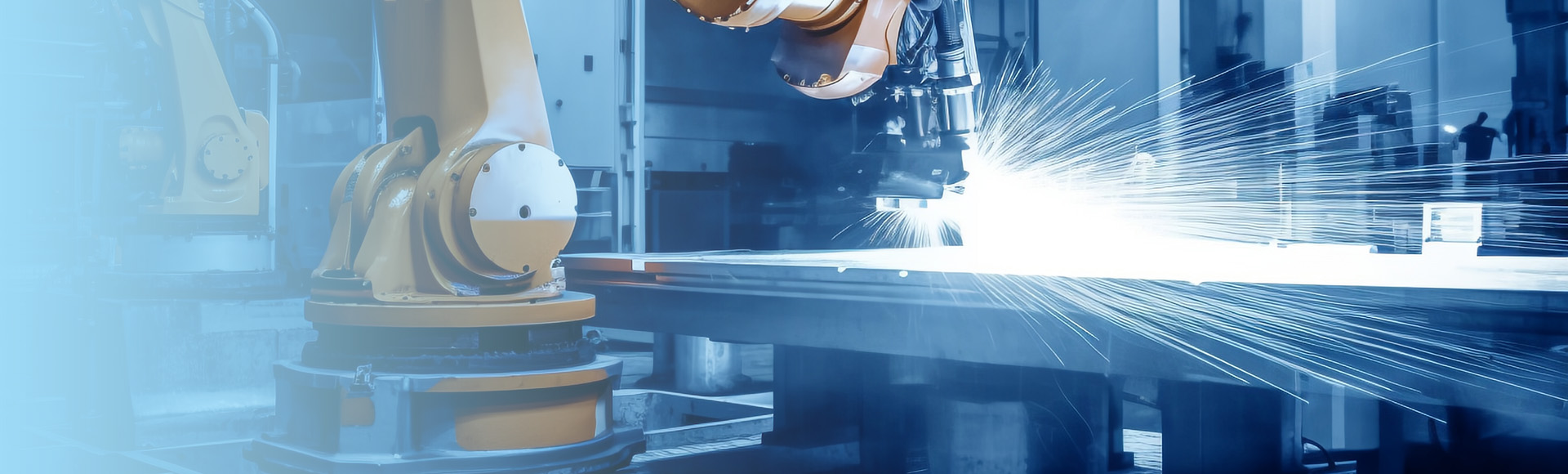
Can Laser Processing Equipment Reduce Welding Defects Through Process Optimization?
Yes—many common welding defects in laser applications, such as porosity, spatter, undercut, or inconsistent penetration, can be significantly reduced not by changing the laser processing equipment itself, but by optimizing the welding process parameters and control strategies.
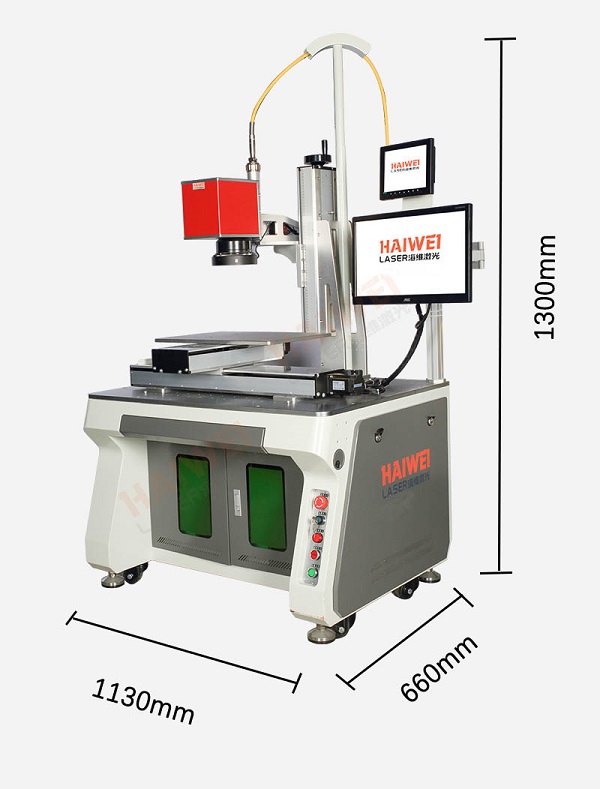
Defects Often Stem from Process, Not Hardware
A high-quality laser processing equipment provides the foundation, but defects usually arise from suboptimal settings. For example, excessive power with slow travel speed can cause keyhole collapse and gas entrapment (porosity), while insufficient shielding gas flow leads to oxidation and spatter. These are process issues—not equipment failures.
Key Optimization Levers
Pulse shaping: Adjusting peak power, pulse width, and frequency helps control melt pool dynamics, especially for reflective materials like copper or aluminum.
Beam oscillation: Wobbling the laser beam widens the weld pool, improves gap bridging, and reduces pore formation by allowing gases to escape.
Shielding gas configuration: Using laminar flow nozzles and proper gas mixtures (e.g., Ar + He for aluminum) minimizes contamination.
Focus position control: Even a 0.2 mm shift in focal point can change weld depth dramatically; auto-focus or seam tracking compensates for part variation.
Real-Time Monitoring Adds Consistency
Modern laser processing equipment often includes coaxial cameras or photodiode sensors that detect plasma intensity or melt pool behavior. When deviations occur, the system can trigger alerts or adjust parameters within predefined limits—preventing defective parts from moving downstream.
Practical Advice for Buyers
When evaluating laser processing equipment, ask vendors for defect-reduction case studies using your specific material and joint type. Request access to parameter libraries and software tools that support iterative tuning. The best systems don’t just deliver laser power—they enable intelligent, adaptive welding.
In short, reducing welding defects is less about buying a “better” machine and more about choosing one that gives you precise, flexible control over the entire welding process.
Recent Posts
- What are the advantages of laser welding machines in lithium battery pack production lines?
- What issues should be noted when choosing a lithium battery pack production line?
- Quality Inspection and Control of Lithium Battery Module Pack Production Line
- Cell grouping and sorting process in lithium battery module pack production line
- What are the safety hazards of lithium battery pack production lines and how can they be prevented?
INQUIRY